The Mediterranean Secret to Looking and Feeling Younger
 By Dorina Benvin & family·September 10, 2026·5 min read
People sometimes ask what keeps Nonna Do so bright, so busy and so young at heart. There is no single secret. It is a way of living that she carried with her from Belej, her little stone village on the island of Cres, all the way to America: good food cooked from scratch, hands in the garden soil, walks by the sea, a table full of family and a heart full of faith. Doctors and researchers now have a name for much of this: lifestyle medicine. Here is how the old Mediterranean ways and the new science line up, and how you can bring a little of both into your own days.
The Mediterranean Way of Eating
The Mediterranean diet is less a diet than a pattern of eating shared by the countries around the Mediterranean Sea. In 2013 UNESCO recognized it as part of the Intangible Cultural Heritage of Humanity, and Croatia and Italy, both part of Nonna’s story, were among the countries included.
What it looks like on the plate:
- Plenty of vegetables, fruits, beans, lentils and whole grains as the foundation of meals
- Extra-virgin olive oil as the main fat
- Nuts, seeds and herbs for flavor and crunch
- Fish and seafood a couple of times a week, which makes perfect sense on an Adriatic island
- Moderate amounts of cheese, yogurt, eggs and poultry
- Red meat and sweets as occasional treats, not daily habits
- Meals eaten slowly, together
As Nonna likes to say, “Butter is good, olive oil is better.” In her kitchen that means a pot of minestrone thick with beans and greens, a drizzle of good oil over everything, and bread made for sharing. Her recipes page is full of dishes that fit this pattern beautifully, and our kitchen shows how she stocks her pantry.
The Six Pillars of Lifestyle Medicine
The American College of Lifestyle Medicine describes six pillars that support long-term health. Reading them feels like reading a description of a good Mediterranean village life.
| Pillar | What it means | The Mediterranean version |
|---|---|---|
| Whole-food, plant-predominant eating | Mostly vegetables, fruits, legumes, whole grains, nuts and seeds | Beans in the soup, greens from the garden, olives from the tree |
| Physical activity | Regular movement every day | Walking to the market, tending the garden, climbing village steps |
| Restorative sleep | Consistent, good-quality sleep | Early to bed, early to rise, a quiet afternoon rest |
| Stress management | Healthy ways to handle life’s pressures | Prayer, a walk by the sea, a slow cup of coffee |
| Positive social connection | Strong relationships and community | Sunday dinners, neighbors on the doorstep |
| Avoidance of risky substances | No tobacco, limiting alcohol | Water at the table, celebrations kept joyful and moderate |
Before making significant changes to your diet or activity level, please check with your doctor, especially if you have a health condition or take medications.
Sun-Smart Skin Care
Island life means sunshine, and sunshine is a gift that needs respect. Much of the visible aging of skin comes from years of sun exposure, so protecting it is one of the simplest ways to look fresher over time.
- Use a broad-spectrum sunscreen of SPF 30 or higher on exposed skin, and reapply about every two hours outdoors, or after swimming or sweating.
- Wear a wide-brimmed hat and sunglasses, the way village women have always shaded themselves in the garden.
- Seek shade during the strongest midday hours.
- Keep it simple indoors: a gentle cleanser, a good moisturizer, and patience.
- Check your skin and point out any new or changing spots to your doctor.
Nonna’s Tip: Keep a hat by the garden door and sunscreen next to your car keys. Good habits live where your hands already go.
Hydration, the Easy Habit
Water is the Mediterranean drink of every day. Many older adults feel less thirsty than they used to, so it helps to make water visible and routine:
- Start the morning with a glass of water.
- Keep a pitcher on the table at meals, perhaps with lemon or a sprig of mint from the garden.
- Enjoy water-rich foods such as tomatoes, cucumbers, melon and soups.
- Drink more on hot days and after walks or gardening.
Gardening as Therapy
Ask anyone who grows things and they will tell you: the garden heals. Gardening combines gentle exercise (bending, lifting, carrying), time outdoors, fresh air and a sense of purpose. Horticultural therapy is a recognized practice that uses gardening to support wellbeing.
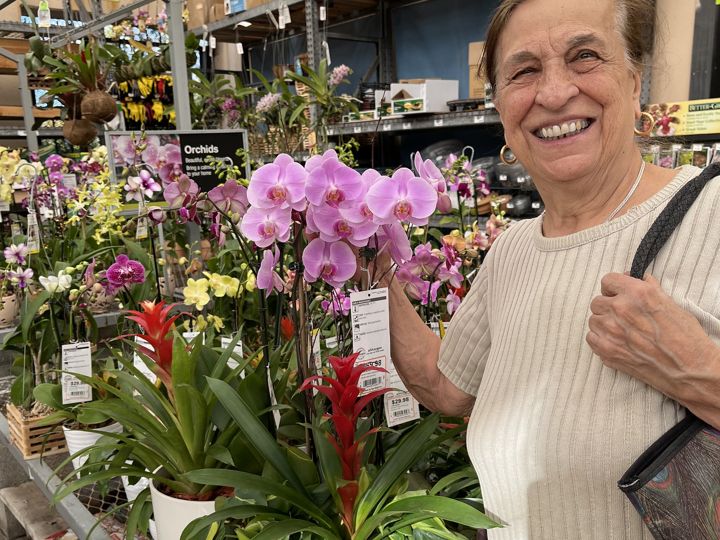
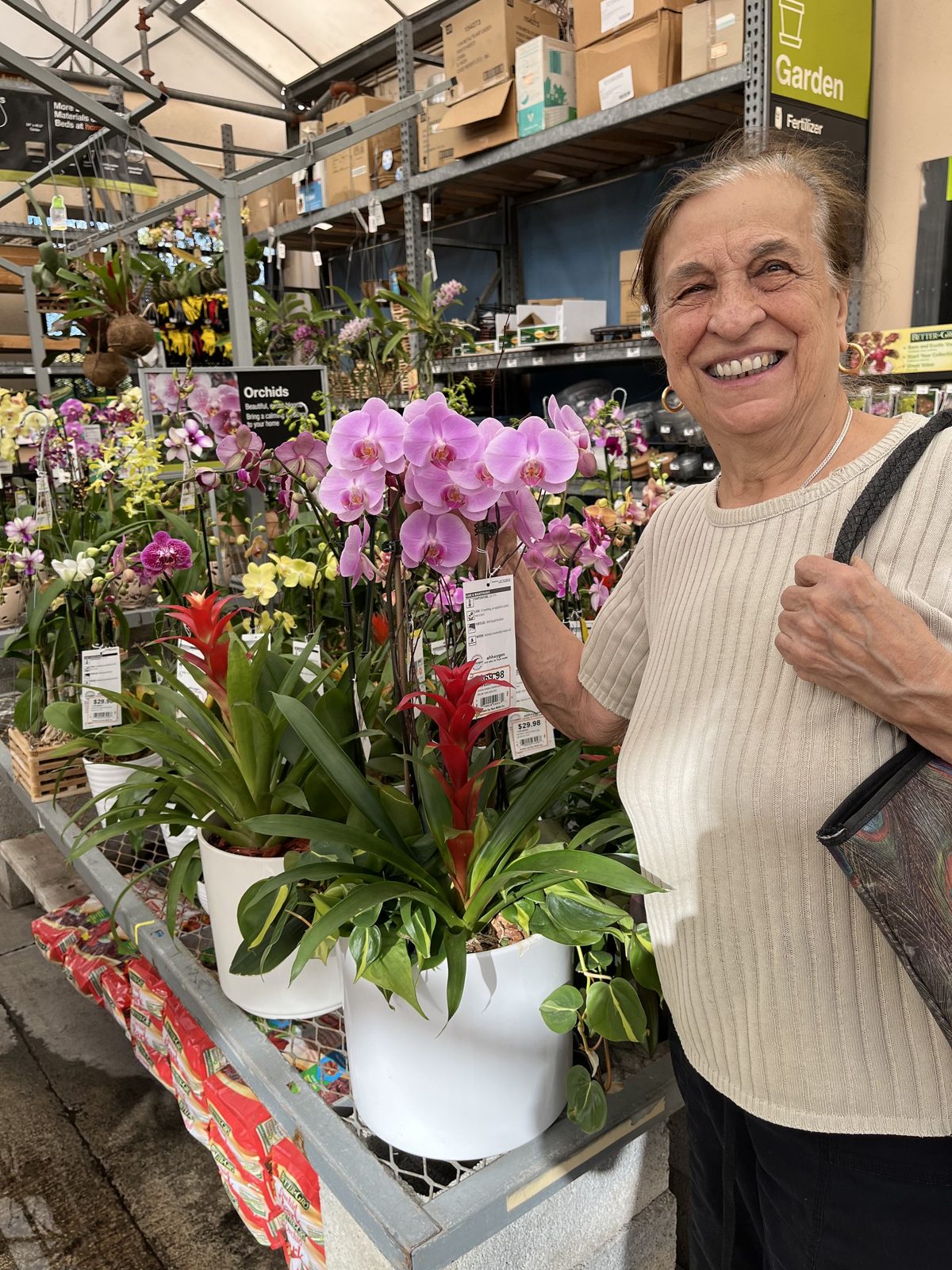
Nonna’s garden and her beloved orchids are her daily joy. You do not need acres. A few pots of basil, rosemary and oregano on a sunny step are enough to begin. Visit our garden page and the orchid corner for easy starting points.
Sea Air and Time Outdoors
The Lošinj archipelago, where Nonna’s story begins, was declared a climatic health resort back in 1892, and visitors have come for its air and mild climate ever since. Wherever you live, time outdoors in green or blue spaces is good for body and spirit. A walk by water, a lake, a river or even a leafy park, gets you moving, lifts the mood, and gives the mind room to breathe. Read more about the island in Mali Lošinj: The Island of Vitality.
Purpose: Your Reason to Get Up
In the Mediterranean villages, older people rarely “retire” from life. They cook for the family, mind grandchildren, tend olive trees, and share what they know. That sense of being needed matters.
Ways to nurture purpose:
- Teach a skill you know well: sewing, baking, gardening, a language.
- Volunteer at church, a library or a community garden.
- Start a project with a finish line, like a photo album or a family recipe book.
- Keep learning, whether it is a new plant, a new recipe or a new word in Italian.
Community and the Family Table
Perhaps the most Mediterranean habit of all is eating together. A long Sunday meal slows everyone down, puts phones away and fills the room with stories. Positive social connection is one of those six pillars for good reason.
Simple ideas:
- Host a monthly potluck with neighbors.
- Call one friend or relative every day, even for five minutes.
- Cook with grandchildren and let them get flour everywhere.
- Say yes to invitations, even when the couch is tempting.
“Food is love. And there’s always enough love for everyone.” — Nonna Do
Nonna’s Takeaway
Looking and feeling younger is not about chasing youth. It is about living well every day: eating real food, moving your body, sleeping and resting, protecting your skin, staying close to people and doing things that matter. Nonna Do has always lived this way without calling it anything special. We just call it home.
Keep exploring: Staying Active for Life · The Power of a Smile · Nonna’s Kitchen
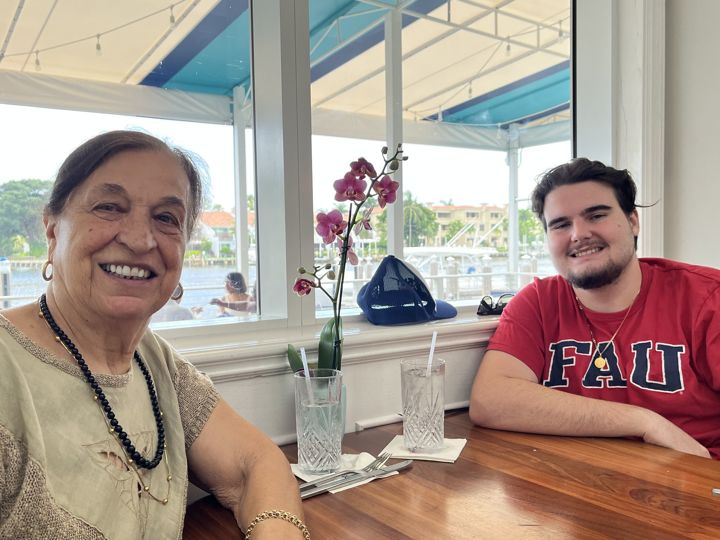
Mother, Nonna, orchid grower, cook, tailor and artisan — born in Belej on the island of Cres, Croatia. Written with love by her family, sharing the wisdom she gave us. Read her story →