Staying Active for Life: Tennis, Beach Walks and Gentle Strength
 By Dorina Benvin & family·September 5, 2026·6 min read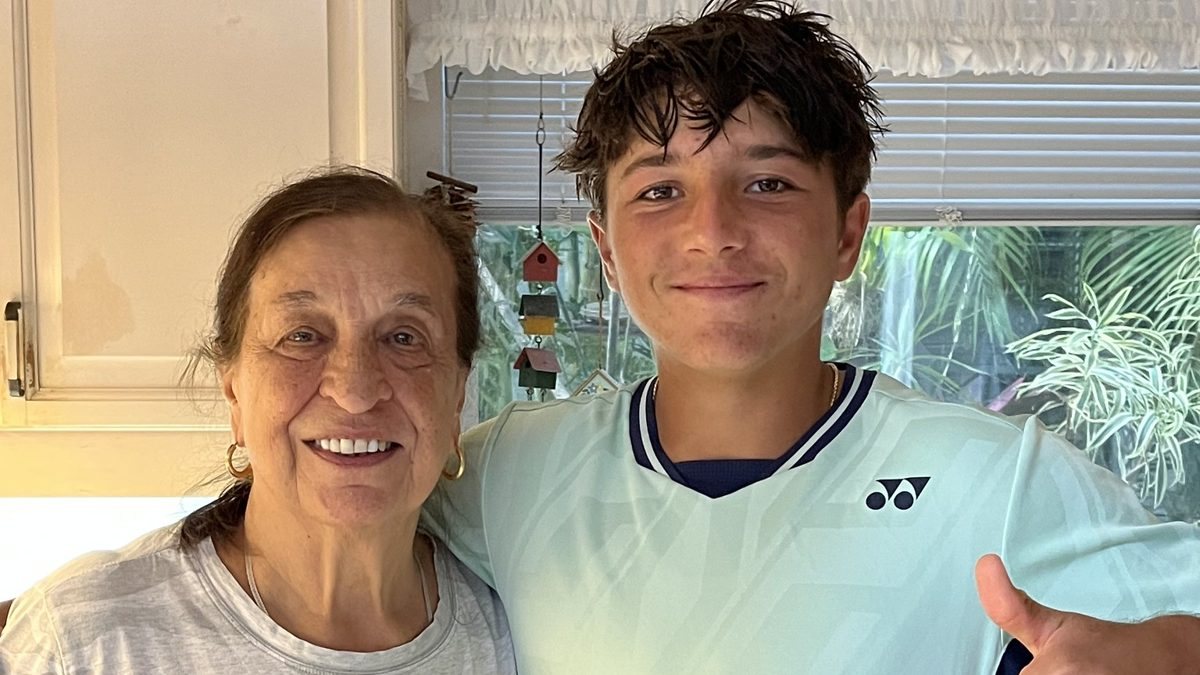
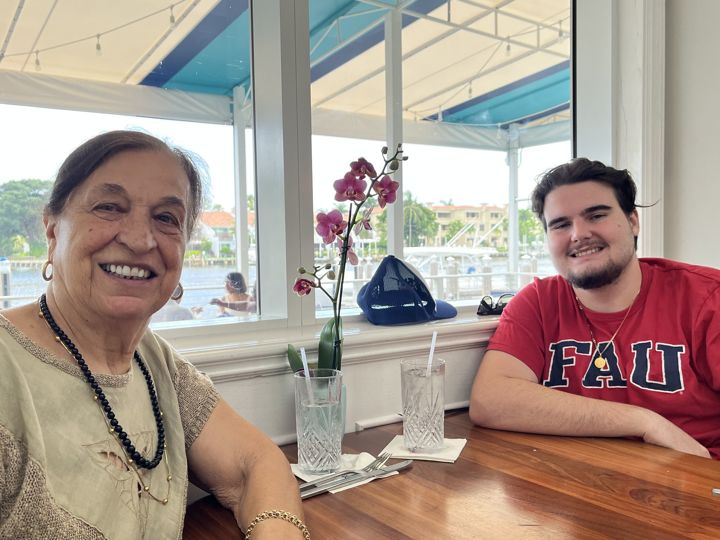
There is a photo in our family album that makes everyone smile: Nonna standing next to her grandson, him in his tennis shirt, both of them grinning like they just won Wimbledon. Tennis has always been a family activity for us, something three generations can share on the same court. It is a reminder that staying active is not about punishing workouts. It is about moving your body in ways you love, with people you love, for as many years as you can. Here is how we think about it, with some practical guidance you can start using this week.
Why Movement Matters More as We Age
Regular physical activity is one of the most useful things anyone can do for healthy aging. It supports the heart and lungs, helps keep muscles and bones strong, supports a healthy weight, improves sleep and mood, and, very importantly for older adults, helps with balance so everyday life feels steadier and more confident.
The U.S. Centers for Disease Control and Prevention (CDC) recommends that adults aged 65 and older aim for:
- 150 minutes a week of moderate-intensity activity, such as brisk walking (that is just 30 minutes, five days a week)
- Muscle-strengthening activities at least 2 days a week, working all the major muscle groups: legs, hips, back, abdomen, chest, shoulders and arms
- Balance activities, such as standing on one foot or heel-to-toe walking
You can read the full guidance at the CDC’s physical activity basics. If 150 minutes sounds like a lot, remember that some activity is better than none, and even 10-minute bouts add up.
Before you begin: Please check with your doctor before starting a new exercise program, especially if you have a heart condition, joint problems, diabetes, or have had a recent fall.
Tennis: A Game for Every Generation
Racquet sports are wonderful because they blend so many kinds of fitness at once. A friendly rally works your heart, your legs, your hand-eye coordination and your quick thinking. Some large observational studies have linked racquet sports with better long-term health, and while that does not prove cause and effect, anyone who has played knows how good you feel afterward.
What we love most is the social side. Tennis gets the family outdoors together. The grandchildren bring the energy, the grown-ups bring the strategy, and Nonna brings the snacks and the cheering.
Making tennis gentler on the body
- Play doubles. Less court to cover, more laughing with your partner.
- Try slower balls. Low-compression “red,” “orange” or “green” balls bounce lower and slower, giving you more time to reach them.
- Choose softer courts such as clay or cushioned hard courts when you can.
- Warm up for 5–10 minutes with easy walking, arm circles and gentle mini-rallies near the net.
- Rally instead of compete. Counting how many shots you can keep going together is great fun across ages.
The USTA has resources for finding local courts, adult programs and beginner-friendly play.
Beach Walks: Nonna’s Favorite Workout
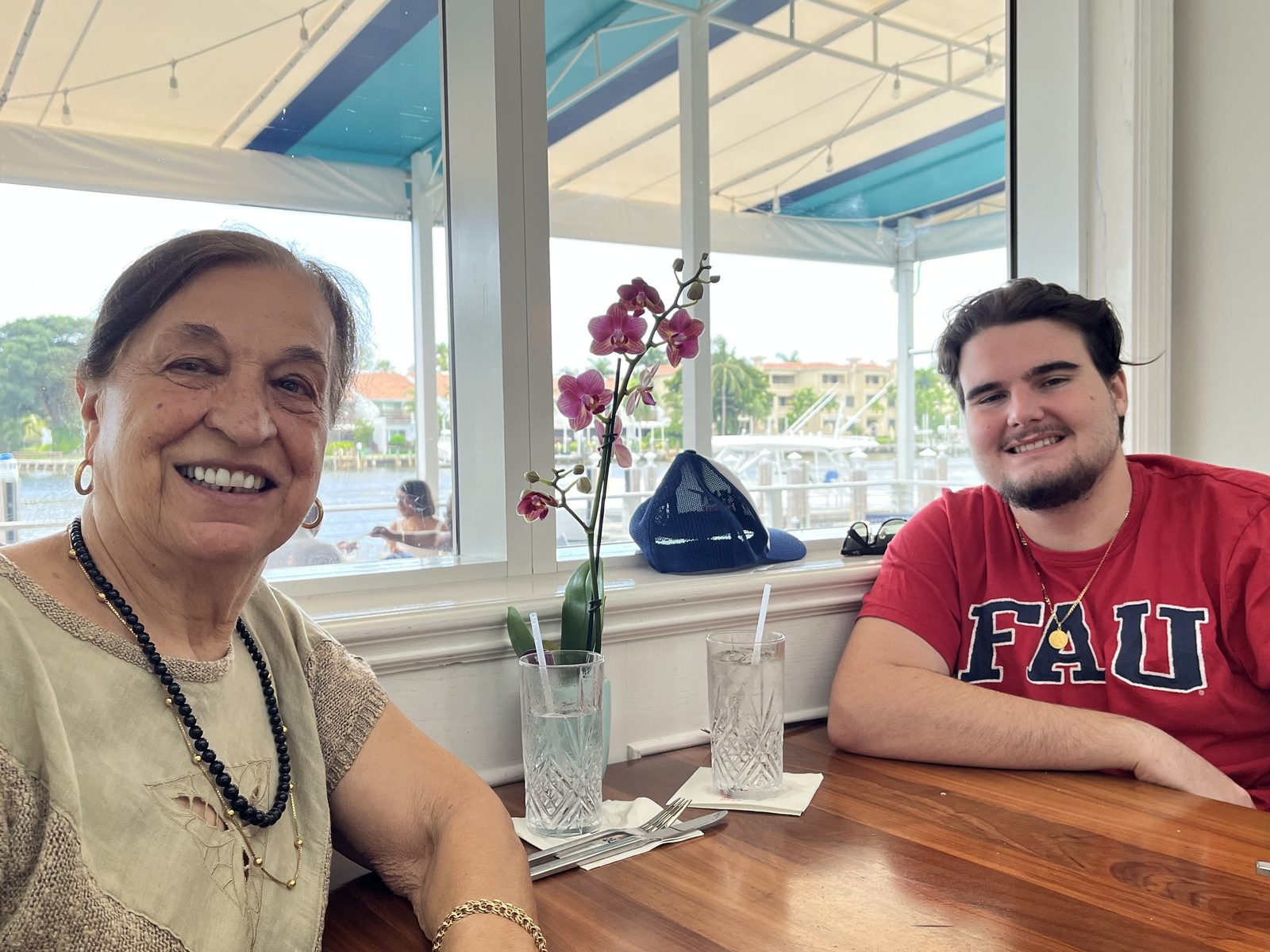
Walking is the most underrated exercise there is. It needs no equipment beyond good shoes, and it can be done almost anywhere. Nonna has always loved walking along the shore, and those walks are where many of her seashells come from, later turned into picture frames and keepsakes (see our crafts page for ideas).
Walking on sand is a little different from walking on pavement:
- Firm, wet sand near the water is easier on the joints and good for a steady pace.
- Soft, dry sand makes your muscles work harder and challenges balance, so start with short stretches.
- Wear supportive shoes or sandals with a back strap if your feet or ankles need it.
- Go early or late to avoid the strongest sun, and bring water.
No beach nearby? A park loop, a mall walk on a rainy day, or a stroll around the garden all count. “Brisk” simply means you can talk but would find it hard to sing.
Gentle Strength: Keeping Muscles Strong
Muscle naturally declines with age, but strength training at any age helps you carry groceries, climb stairs, get up from a chair and play with grandchildren. You do not need a gym. Try these at home:
- Sit-to-stand: Rise from a sturdy chair without using your hands, then sit back down slowly. Aim for 8–12 repetitions.
- Wall push-ups: Stand an arm’s length from a wall, place your palms flat and bend your elbows to bring your chest toward the wall. Push back. 10 repetitions.
- Heel raises: Holding the back of a chair, rise up on your toes and lower slowly. 10–15 repetitions.
- Resistance band rows: Loop a band around a sturdy post, hold the ends and pull your elbows back, squeezing your shoulder blades. 10–12 repetitions.
- Garden work: Digging, lifting bags of soil and carrying watering cans are real strength work. Our garden page has plenty of reasons to get out there.
Start with one set of each and build up to two or three over a few weeks. Move slowly and breathe out on the effort.
Balance: The Secret to Staying Steady
Good balance helps prevent falls, which is one of the most important goals as we age. Balance practice can be done while you wait for the kettle to boil:
- Stand on one foot for 10 seconds while holding the counter, then switch. Progress to a lighter touch.
- Heel-to-toe walk in a straight line down a hallway, as if on a tightrope.
- Side leg raises holding a chair.
- Tai chi classes are gentle, graceful and very good for balance.
The National Institute on Aging offers free guides and exercise ideas designed especially for older adults.
A Sample Weekly Plan
Here is a flexible week that meets the CDC guidance. Swap days around to suit your life.
| Day | Activity | Time |
|---|---|---|
| Monday | Brisk walk + balance moves | 30 min + 5 min |
| Tuesday | Home strength routine | 20 min |
| Wednesday | Doubles tennis with family or friends | 45 min |
| Thursday | Beach or park walk | 30 min |
| Friday | Home strength routine + balance | 20 min + 5 min |
| Saturday | Gardening or a long, easy walk | 45 min |
| Sunday | Rest, gentle stretching, a walk after lunch | 15–20 min |
That adds up to well over 150 minutes of moderate activity, two strength days and regular balance practice.
Safety Tips
- Start low, go slow. Increase time or effort a little each week.
- Warm up and cool down with easy movement and gentle stretches.
- Hydrate before, during and after activity, especially in warm weather.
- Protect yourself from the sun with a hat, sunglasses and sunscreen.
- Listen to your body. Stop and seek help if you feel chest pain, dizziness or unusual shortness of breath.
- Use a buddy. Exercising with family is safer and more fun.
- Wear proper shoes with good grip for courts and walking paths.
Nonna’s Tip: Put your walking shoes by the door the night before. When they are the first thing you see in the morning, the walk practically starts itself.
Nonna’s Takeaway
Movement, like cooking, is best when shared. A rally with the grandkids, a walk along the water looking for shells, a few sit-to-stands while the sauce simmers: it all adds up.
“Good things take time — especially soups.” And, Nonna would add, especially strength and balance. Be patient with yourself.
Keep moving, keep smiling, and bring someone you love along.
More from our family: Healthy Living on the blog · The Mediterranean Secret to Looking and Feeling Younger · Family photos
Mother, Nonna, orchid grower, cook, tailor and artisan — born in Belej on the island of Cres, Croatia. Written with love by her family, sharing the wisdom she gave us. Read her story →