
Orchid-Inspired Art: Photographing, Painting and Designing with Blooms
 By Dorina Benvin & family·September 1, 2026·6 min read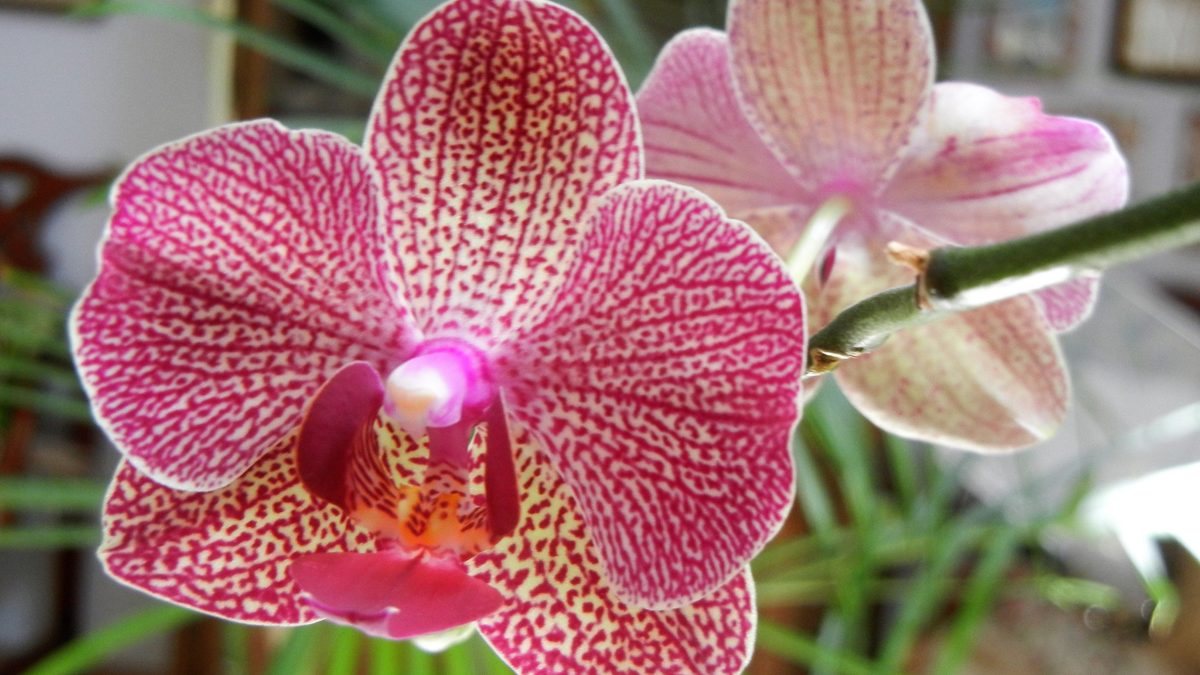
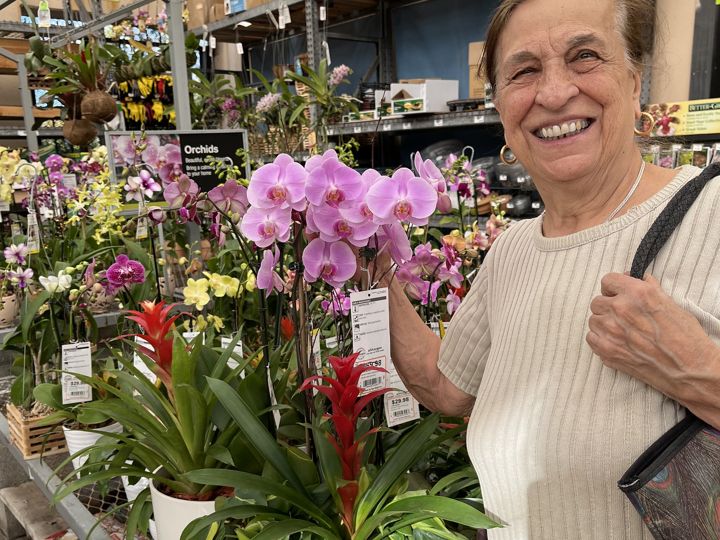
Nonna Do has grown orchids for most of her life, and her blooms have been part of award-winning displays. But ask her what she loves most and she won’t talk about ribbons. She’ll talk about the light on a white petal at seven in the morning, or the way a purple bloom seems to glow from inside when the sun sits low. In her book The Art of Orchids, she writes that “every color tells a story. Orchids speak in shades.” This post gathers the artistic side of that book: how to photograph orchids beautifully with the phone already in your pocket, how to paint a simple watercolor study, and how to turn blooms into cards and color palettes for your home.
What the Colors Say
Before you pick up a camera or a brush, look at your orchid’s color. In The Art of Orchids, Dorina groups her blooms by color family, each with its own mood:
| Color | Mood in Nonna’s book | Where she places them |
|---|---|---|
| White | Purity, peace, new beginnings | Near bright windows |
| Pink | Tenderness, warmth, affection | By her crafting table |
| Purple | Royalty, mystery, wisdom | Soft window light, rotated weekly |
| Yellow | Optimism, joy, sunshine | Kitchen and dining area |
These are traditional, heartfelt associations rather than rules, but they’re a wonderful starting point for choosing which bloom to feature in a portrait, a painting or a gift.
Phone Photography: Getting Close
You don’t need an expensive camera. Modern phones take lovely orchid portraits if you slow down.
- Clean the lens. A quick wipe with a soft cloth removes the haze that ruins most close-ups.
- Move closer; don’t zoom. Digital zoom only crops and softens. Get physically closer, or use your phone’s macro mode if it has one. An inexpensive clip-on macro lens also works well.
- Tap to focus on one thing. Choose the lip or column (the orchid’s intricate center) and tap it. On most phones, a long press locks focus and exposure so they don’t jump around.
- Lower the exposure slightly. After tapping, slide the brightness down a touch. White and pale pink petals lose their delicate detail when overexposed.
- Simplify the background. Put a sheet of black or white poster board a foot or two behind the bloom. Suddenly your kitchen counter disappears.
- Steady yourself. Brace your elbows on a table, hold your breath, or use a small tripod and the self-timer.
- Turn on grid lines and place the bloom a third of the way in, rather than dead center, for a more natural composition.
Nonna’s Tip: Mist lightly in the morning only if you want dewdrops in your photos, so the petals dry by evening. Moisture lingering overnight can cause spotting, especially on white orchids.

Working With Light
In The Art of Orchids, Dorina calls light “the magician of the orchid world.” Here’s how each kind of light changes a portrait.
Morning light: honest and clear
Soft morning light from an east window shows true color and fine veins without glare. It’s her favorite light for close-ups and for checking plant health, too.
Golden hour: the inner glow
The hour or so after sunrise and before sunset bathes blooms in warm, honey-toned light. Pinks and yellows deepen, fine hairs and fringes catch a halo, and white orchids shine like pearls. Just keep sessions short: a few minutes of direct sun makes a beautiful photo, but an hour can scorch petals, especially white and yellow ones.
Backlighting: the halo effect
Place a soft lamp or a bright window slightly behind and above the bloom. Adjust until a glowing outline appears around the petal edges and the veins light up like stained glass. Expose for the petals, not the bright background.
Side light: texture’s best friend
Light from one side reveals the satin sheen of a Phalaenopsis, the velvet of a deep purple bloom and the waxy gloss of a Vanda. A white card on the shadow side gently fills in dark areas.
Afternoon light: handle with care
Strong afternoon sun washes out color and casts harsh shadows. A sheer or lace curtain turns it into a flattering diffuser.
Abstract Orchid Art
Chapter 6 of Dorina’s book is devoted to orchids “not as they are, but as they feel.” Try these on your phone:
- Soft focus: Hold a second bloom or leaf very close to the lens so it melts into a pastel blur in the foreground.
- Color study: Crop so tightly that only a gradient remains, like pink fading into white. These make gorgeous phone wallpapers and paint palettes.
- Shadow art: Shine a single lamp from the side and photograph only the shadow of the spike on a textured wall.
- Monochrome: Convert a strongly side-lit image to black and white to reveal sculpture and veining.
- Before and after: Photograph one plant from spike to bud to first bloom to full arch, then print the four as a series.
“The recipe is the guide—the flavor is your voice.” — Nonna Do
Every rule above can be broken if the result feels true to you.
A Simple Watercolor Orchid Study
Painting from your own photo is a lovely next step.
You’ll need: 140 lb (300 gsm) cold-press watercolor paper, a size 8 round brush and a small detail brush, a pencil, tissues, and a small palette such as a rose or magenta, a violet, a lemon yellow and a green.
- Sketch lightly. Phalaenopsis blooms are built from simple shapes: two broad, rounded petals, three narrower sepals, and a small lip in the center.
- Wet-on-wet petals. Brush clean water inside one petal, then touch in color at the base and let it bloom outward. Paint non-touching petals first so colors don’t run together.
- Lift highlights. While the paint is damp, dab the outer edge with a folded tissue to create that luminous glow.
- Add the lip. Once everything is dry, paint the center with stronger color and the detail brush.
- Veins and freckles last. Use the tip of the small brush with slightly darker paint, drawing veins from the center outward.
Paint the same bloom three times in one sitting. The third is almost always the loosest and loveliest.
Pressed-Petal Cards
Orchid petals are fleshier than pansies or ferns, so they press best when faded blooms are pulled apart and pressed petal by petal. Thin-petaled types such as Oncidium and Dendrobium keep their color better than thick Phalaenopsis petals, which often darken or turn translucent (a look that can be beautiful in its own way).
- Lay petals between sheets of parchment inside blotting paper or plain newsprint.
- Close them in a flower press or a heavy book, with more books stacked on top.
- Change the blotting paper after 2–3 days, then leave for 2–3 weeks.
- Arrange on blank cardstock with tweezers and attach with a dab of clear-drying glue. For lasting protection, cover with self-adhesive laminating sheet.
Designing With Blooms
Dorina uses orchid colors to guide pillow fabrics, table runners and centerpieces. Pull three colors from one photo, a dominant petal color, a lighter accent and a deep center shade, and you have a ready-made palette for a room or a tablecloth. We share more of that thinking in our post on Mediterranean interior design.
Nonna’s Takeaway
Look closely, choose your light, and let the orchid lead. Whether it’s a phone photo, a watercolor or a pressed-petal card, the goal is the same: to share the joy of a bloom with someone you love. Explore more on our orchids page, learn about the plant family at Wikipedia’s Orchidaceae page, or visit the American Orchid Society.
Keep exploring: Orchid care golden rules · Family photos · More crafts

Mother, Nonna, orchid grower, cook, tailor and artisan — born in Belej on the island of Cres, Croatia. Written with love by her family, sharing the wisdom she gave us. Read her story →