Pillowy Potato Gnocchi, the Nonna Do Way
 By Dorina Benvin & family·June 5, 2026·6 min read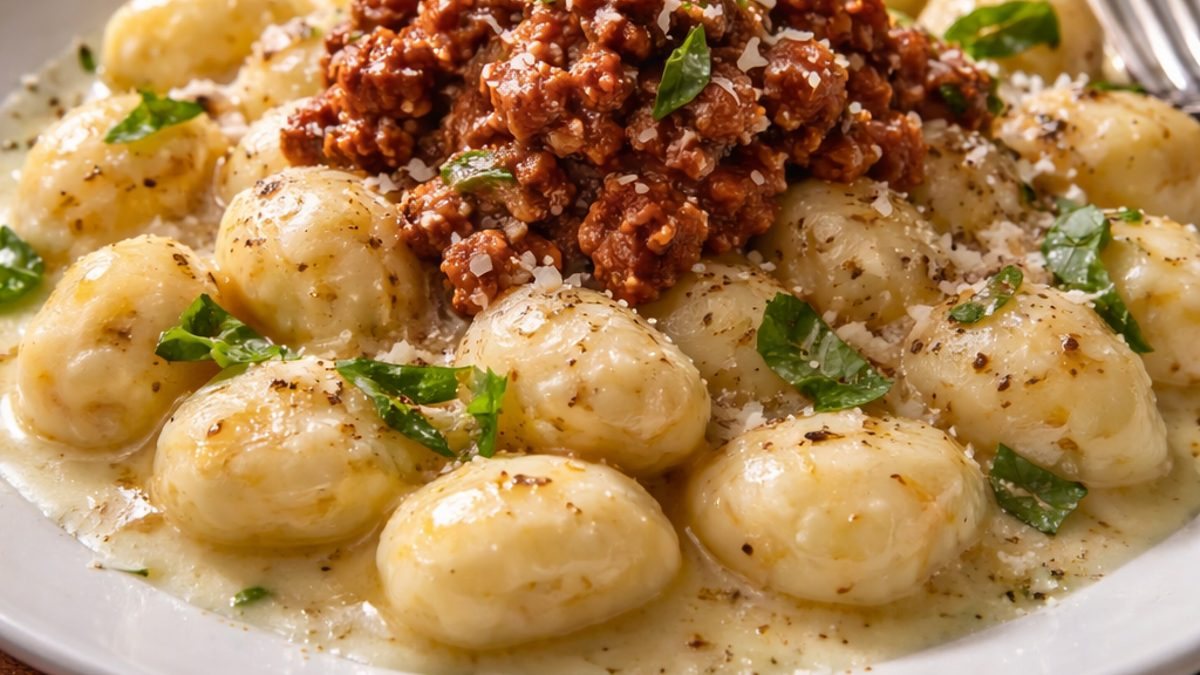
There is a sound we all remember from Mom’s kitchen: the soft thump of gnocchi dough on a floured board, followed by the quick flick of a fork as each little dumpling gets its ridges. Nonna Do’s potato gnocchi are legendary in our family, light enough to melt, sturdy enough to hold a spoonful of sauce. They take only four ingredients. What they ask for instead is a little understanding of potatoes, and a light touch. Here is her recipe, with every detail she teaches us at the counter.
Ingredients
Serves 4–6
- 2 lbs potatoes (Russet or Yukon Gold), similar in size
- 1 cup all-purpose flour, plus more as needed for the board
- 1 egg, lightly beaten
- 1 tsp salt
- Coarse salt for the cooking water
Method
- Boil the potatoes whole, skin on. Place them in a pot of cold, salted water, bring to a boil, and simmer until a thin knife slides to the center with no resistance, about 25–35 minutes depending on size. Leaving the skins on keeps the potatoes from soaking up water.
- Peel and rice while warm. Drain well. Holding each potato in a clean kitchen towel, peel off the skin, then pass the flesh through a potato ricer onto a clean board or into a wide bowl. Spread it out and let the steam escape for 5–10 minutes. It should still be warm, but not hot.
- Make the dough. Sprinkle the salt and most of the flour over the potato, make a small well, and add the egg. Using your fingertips or a bench scraper, gently bring everything together into a soft dough. Do not knead it like bread. Add a little more flour only if the dough is sticking badly to your hands.
- Roll and cut. Divide the dough into 4 pieces. On a lightly floured board, roll each into a rope about ¾ inch thick. Cut into 1-inch pieces.
- Add the ridges. Press each piece lightly against the back of a fork’s tines and let it roll off, leaving ridges on one side and a small dimple on the other. Set on a floured tray.
- Cook. Drop the gnocchi in batches into a large pot of well-salted boiling water. When they float to the surface, usually 1–2 minutes, give them another 20–30 seconds and lift them out with a slotted spoon.
- Sauce and serve right away, with butter and sage or your favorite red sauce.
“Warm potatoes, gentle hands — that’s the secret.” — Nonna Do
Choosing the Right Potato
The single biggest factor in gnocchi is the potato. You want a potato that is dry and floury, because every bit of water in the potato has to be balanced with flour, and more flour means heavier gnocchi.
| Potato | Texture | For gnocchi |
|---|---|---|
| Russet (Idaho) | Dry, fluffy, high starch | Mom’s first choice for the lightest gnocchi |
| Yukon Gold | Medium starch, buttery flavor | Very good; slightly denser, beautiful color |
| Red or new potatoes | Waxy, moist | Avoid: they turn gluey and need too much flour |
Older potatoes are drier than freshly dug ones, so a bag that has been in the pantry for a week or two often works better than the newest crop.
Why a Ricer Matters
A potato ricer pushes the cooked potato through small holes, creating fine, fluffy strands with no lumps and no overworking. Mashing with a masher tends to leave lumps, and a food processor or electric mixer is the enemy: it breaks down the starch and turns potatoes into glue. If you don’t own a ricer, a food mill works, or you can push the potato through a sturdy sieve with the back of a spoon. It’s slower, but it’s worth it.
Nonna’s Tip: Rice the potatoes while they are warm and spread them out to steam. Cold potatoes turn gummy, and trapped steam turns into water that the dough will try to fix with more flour.
The Flour Ratio
Nonna’s cookbook calls for 1 cup of flour to 2 pounds of potatoes, about one part flour to five or six parts potato by weight. Think of that cup as a guide, not a rule. Some batches need a spoonful less, some a spoonful more.
Here’s how to know: - The dough should feel soft, slightly tacky and pillowy, like a gentle earlobe. - It should hold together when rolled into a rope without cracking apart. - Test one first. Before you shape the whole batch, boil a single gnocco. If it falls apart in the water, work in a tablespoon or two more flour. If it holds, stop adding flour.
The egg helps bind the dough and makes it more forgiving for beginners. Many cooks in northern Italy leave it out; Mom keeps it in, and so do we.
Those Famous Fork Ridges
The ridges aren’t just decoration. They give sauce something to cling to, and the little dimple your thumb or the fork leaves on the other side helps the gnocchi cook evenly. If you have a wooden gnocchi board, use it the same way. Work quickly and lightly: a gentle roll, not a hard press.
Sauces to Pair
Gnocchi are generous partners. These are the three our family comes back to again and again:
- Brown butter and sage (burro e salvia). Melt 4 tablespoons of butter in a wide pan until it smells nutty and turns golden. Add a handful of fresh sage leaves and let them crisp. Toss the gnocchi straight from the pot into the pan with a splash of cooking water, then finish with Parmesan. Simple and perfect.
- Sunday red sauce. A slow tomato sauce with a little basil lets the potatoes shine. Find Mom’s in Sunday Sauce and the Power of the Family Table.
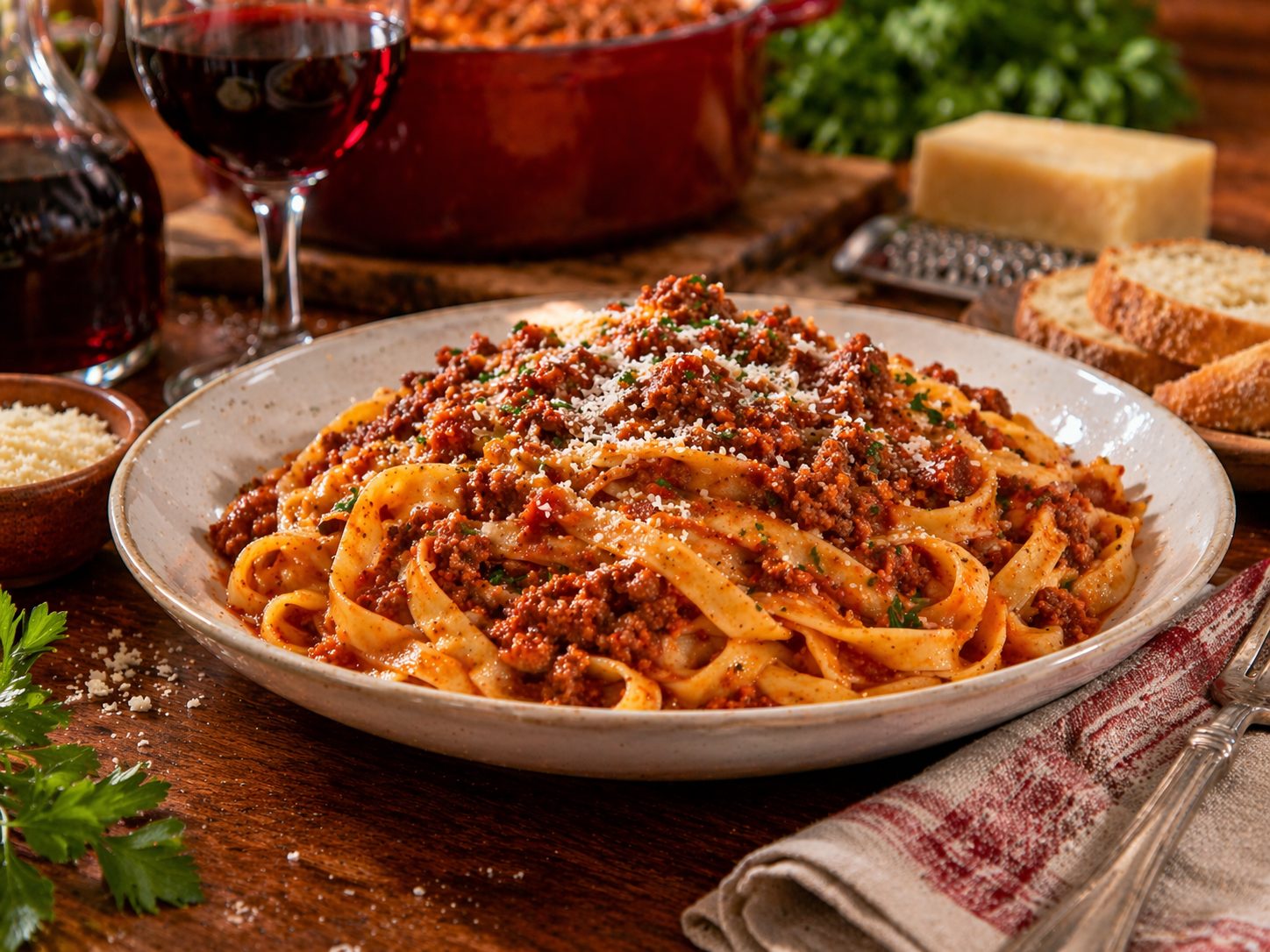
- Bolognese. For a cold night, the cookbook’s slow ragù, softened with milk and red wine, makes gnocchi into a full, hearty meal.
On the Croatian coast, where Mom grew up, gnocchi are called njoki, and they are the classic partner to pašticada, the Dalmatian braised beef. You can read more about that shared table in our post on Croatian coastal cooking.
Freezing Gnocchi
Homemade gnocchi freeze beautifully, which is why Mom always makes a double batch.
- Arrange the uncooked, shaped gnocchi in a single layer on a floured, parchment-lined tray, not touching.
- Freeze until firm, about 1–2 hours.
- Transfer to a freezer bag, press out the air, and label. They keep for up to 2 months.
- Cook straight from frozen. Don’t thaw them, or they’ll turn soft and sticky. Add them to boiling salted water and give them an extra minute after they float.
Fresh gnocchi shouldn’t sit in the refrigerator for more than a few hours, because the potato releases moisture and they start to stick. If you’re making them ahead for dinner, freezing is the better choice.
Nonna’s Takeaway
Gnocchi teach patience and restraint: a dry potato, a warm ricer, only as much flour as the dough asks for, and hands that know when to stop. Your first batch may not be perfect, and that’s fine. Mom will tell you “The recipe is the guide—the flavor is your voice.” Make them with someone you love, and make extra for the freezer. If you’d like to read more about gnocchi’s long history, Wikipedia’s gnocchi page is a good place to start.
Keep cooking with Nonna: Nonna’s Kitchen, her award-winning lasagna, and the full recipe collection.
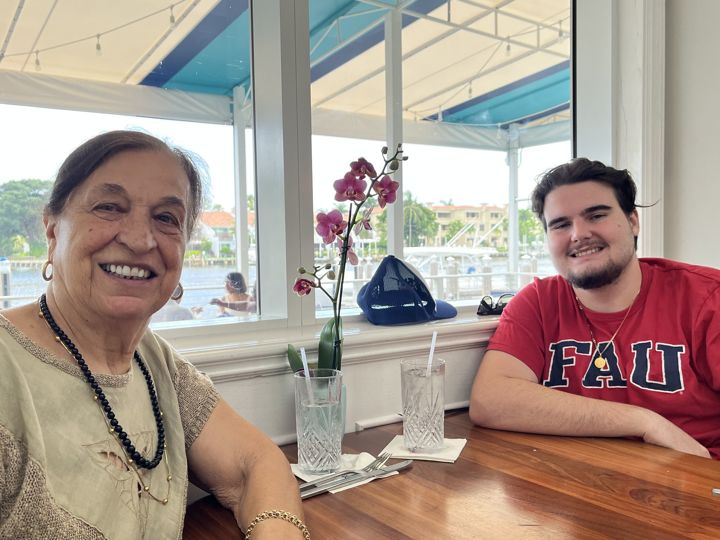
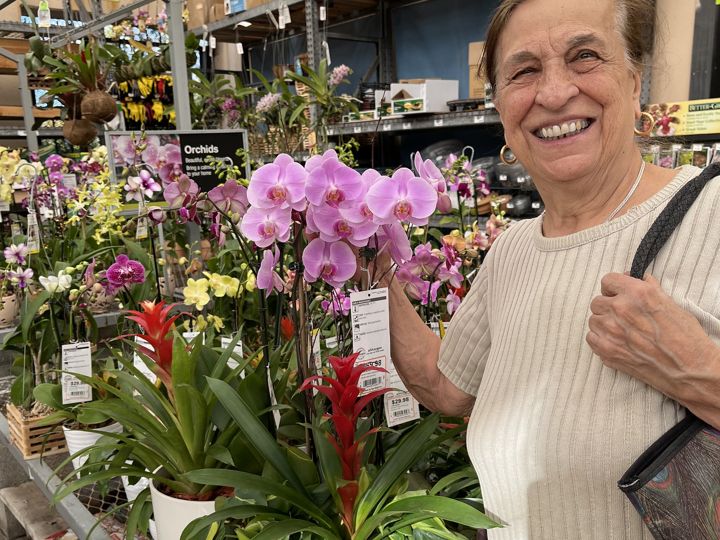
Mother, Nonna, orchid grower, cook, tailor and artisan — born in Belej on the island of Cres, Croatia. Written with love by her family, sharing the wisdom she gave us. Read her story →