Nonna's Pantry: 25 Essentials for Italian & Croatian Home Cooking
 By Dorina Benvin & family·June 19, 2026·5 min read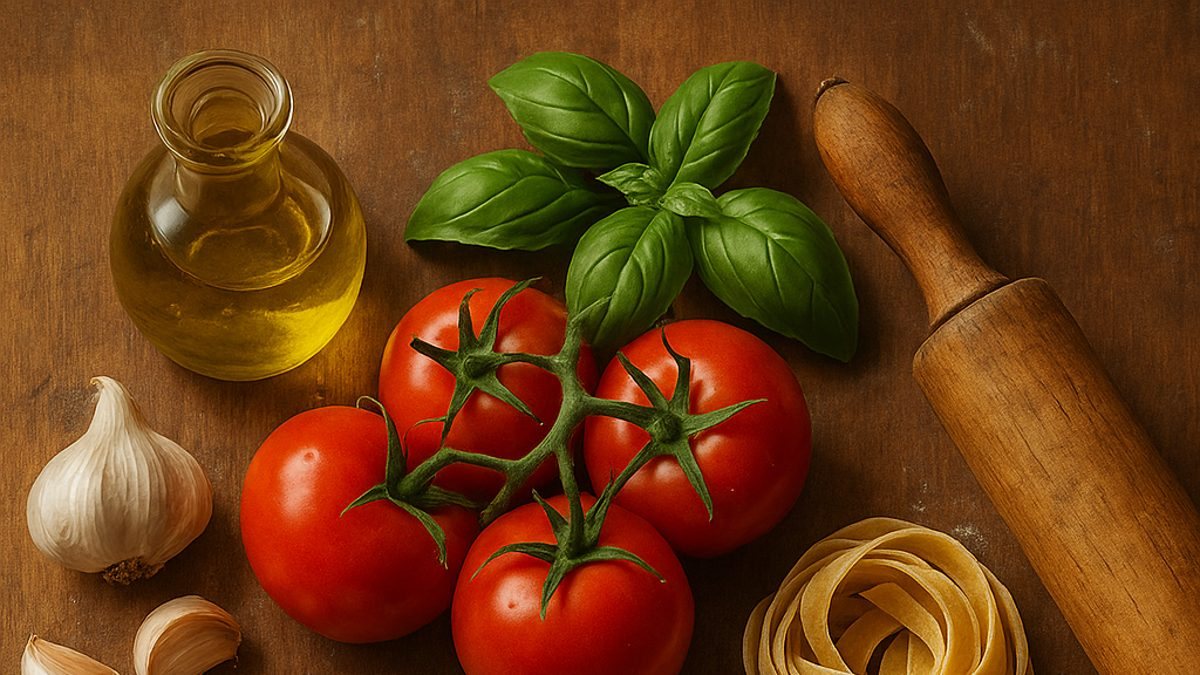
Nonna Do has a gift for making a wonderful meal appear out of what seems like nothing. Someone drops by unexpectedly, and twenty minutes later there’s a bowl of pasta, a plate of greens and a loaf of bread on the table. The secret isn’t magic. It’s a well-stocked pantry. Her cookbook says it best: “A well-stocked Italian kitchen is a playground for creativity.” Here are the 25 essentials that live permanently in Mom’s kitchen, what each one does, and how to keep them at their best.
The Italian Staples
1. Extra-virgin olive oil. The foundation of everything. Use a good everyday bottle for cooking and a special one for drizzling. Store it away from the stove and sunlight, tightly capped, and use it within a few months of opening. “Butter is good, olive oil is better.”
2. Fresh garlic. Choose firm, heavy heads with tight skins. Keep them in a cool, dry, airy spot, not the fridge. Remove any green sprout from older cloves, which can taste bitter.
3. San Marzano tomatoes. Sweet, low in acidity and meaty, they’re the backbone of Mom’s sauces. Keep several cans on hand. Once opened, transfer leftovers to a glass container and refrigerate for up to 5 days.
4. Tomato paste. A spoonful adds depth and color to sauces and stews. Tubes keep longer in the fridge than cans; or freeze leftover paste in tablespoon portions.
5. Parmigiano-Reggiano. Buy it by the wedge and grate it fresh. Wrap in parchment then loosely in plastic, and keep in the fridge’s cheese drawer. Save the rinds in the freezer for soups and sauces.
6. Ricotta. Essential for lasagna, manicotti and ravioli. Buy whole-milk ricotta and use it within a few days of opening.
7. Mozzarella. Low-moisture mozzarella for baked dishes; fresh mozzarella for salads like Caprese.
8. Fresh basil. Keep it like a bouquet, stems in a glass of water on the counter. Cold turns it black, so skip the fridge.
9. Dried oregano. One of the few herbs better dried than fresh in a red sauce. Replace dried herbs about once a year.
10. Rosemary and sage. Hardy herbs for roasts, potatoes and brown butter. They grow happily in pots; see our Mediterranean herb garden guide.
11. Sea salt and black pepper. Coarse salt for pasta water, flaky or fine salt for finishing, and whole peppercorns in a grinder.
12. Pasta, in many shapes. Dried pasta keeps for a year or more in a sealed container. See the shape guide below.
13. Arborio rice. The short, starchy grain that makes risotto creamy. Store it airtight in a cool cupboard.
For Baking and Desserts
14. Flour. All-purpose for most cooking and baking; bread flour for olive bread. Store airtight; whole-grain flours keep best in the freezer.
15. Sugar. Granulated for baking, powdered for dusting fritule and whipping cream.
16. Cocoa powder. For chocolate mousse and a quick dusting on tiramisu.
17. Hazelnuts and almonds. Hazelnuts are the heart of Nonna’s rolat (hazelnut roll cake). Nuts turn rancid at room temperature, so keep them in the freezer; toast before using to wake up their flavor.
18. Vanilla extract. Pure, not imitation. A little goes a long way in cakes, creams and cookies.
Vegetables Always on Hand
19. Onions. Stored in a cool, dark, ventilated place, away from potatoes, which make them spoil faster.
20. Carrots and celery. With onion, they make the soffritto, the flavor base for Bolognese, soups and stews. Wrap celery in foil in the fridge to keep it crisp.
21. Potatoes. Russets for gnocchi and mash, waxy potatoes for salads and blitva. Keep them in a dark, cool spot, never the fridge.
22. Zucchini. For risotto, grilling and minestrone. Refrigerate and use within a week.
23. Spinach. For manicotti, soups and quick sautés with garlic. Keep a bag of frozen spinach for emergencies.
24. Lemons. Juice and zest brighten everything from fish to cookies. Store in the fridge in a sealed bag, and they’ll stay juicy for weeks.
The Croatian Touch
25. Dry wine and a bottle of rum. A splash of white wine for shellfish na buzaru, red wine for Bolognese, and a little rum for holiday fritule. Alongside it, Mom keeps coarse cornmeal for polenta (palenta) and dried figs. Read more in Croatian Coastal Cooking.
“Good things take time — especially soups.” — Nonna Do
Pasta Shapes and Their Best Sauces
The rule of thumb: the shape should match the sauce. Long, thin pastas love smooth or oily sauces; tubes and ridges trap chunky, meaty ones.
| Shape | What it’s like | Best sauces |
|---|---|---|
| Spaghetti | Long, thin, round | Marinara, pomodoro, carbonara, cacio e pepe |
| Linguine | Long, flat, narrow | Clam sauce, seafood, pesto |
| Fettuccine / Tagliatelle | Long, wide ribbons | Alfredo, Bolognese, lemon cream |
| Bucatini | Thick with a hollow center | Amatriciana |
| Penne | Short, angled tubes | Vodka sauce, arrabbiata |
| Rigatoni | Wide, ridged tubes | Sunday sauce, Bolognese, baked al forno |
| Orecchiette | Little “ears” | Broccoli rabe, sausage, greens |
| Farfalle | Bow ties | Primavera, pasta salads |
| Ditalini / small shapes | Tiny tubes | Minestrone, pasta e fagioli, soups |
| Lasagna sheets | Wide, flat | Layered and baked |
Nonna’s Tip: Always save a cup of the pasta water before draining. The starchy water helps the sauce cling and turns it silky. Add a splash at a time while tossing.
Nonna’s Essential Tools
Mom never needed fancy gadgets, but she swears by these:
- A heavy-bottomed pot for sauces and soups that simmer for hours without scorching
- A well-seasoned frying pan for cutlets, sautéed greens and brown butter
- A wooden spoon (she has a lucky one)
- A large baking dish for lasagna and baked pasta
- Mixing bowls of all sizes
- A pasta strainer big enough for a pound of pasta
- A sharp, reliable knife, and a board to use it on
We’d add a potato ricer for gnocchi and a box grater for Parmesan.
Pantry Storage at a Glance
- Cool, dark cupboard: oils, canned tomatoes, pasta, rice, flour, sugar, cocoa
- Counter: garlic, onions (separately from potatoes), basil in water
- Fridge: cheeses, lemons, carrots, celery, zucchini, spinach, opened tomato products
- Freezer: nuts, Parmesan rinds, extra sauce, homemade gnocchi, bread
Label everything with the date you opened or froze it. Mom’s organized shelves aren’t just pretty; they mean nothing goes to waste.
A Healthy Way to Eat
A pantry like this naturally leans toward the Mediterranean diet: olive oil, vegetables, legumes, grains, fish and modest portions shared at the table. It’s how Nonna grew up eating on the island of Cres. As always, check with your doctor before making significant changes to your diet. If you’d like a trusted cookbook to go with your pantry, Marcella Hazan’s Essentials of Classic Italian Cooking is a classic.
Nonna’s Takeaway
A good pantry is a form of hospitality. When the basics are always there, you’re always ready to feed someone you love. Stock it slowly, use it often, and don’t be afraid to improvise. “The recipe is the guide—the flavor is your voice.”
Explore more: Nonna’s Kitchen, the family recipes, and Nonna’s organizing guides.

Mother, Nonna, orchid grower, cook, tailor and artisan — born in Belej on the island of Cres, Croatia. Written with love by her family, sharing the wisdom she gave us. Read her story →