Growing a Mediterranean Herb Garden in Pots
 By Dorina Benvin & family·July 25, 2026·5 min read
On the islands of Cres and Lošinj, where Nonna Do was born, you can smell the herbs before you see them. Sage, rosemary, immortelle and myrtle grow wild between the stone walls and along the coastal paths, warming in the sun and scenting the sea breeze. Lošinj is famous for its wild aromatic and medicinal plants, more than 200 of them by local count. In the late 1800s its fresh, herb-scented air helped earn Mali Lošinj its reputation as a health resort. Mom brought that love of herbs with her to America, and so many of her recipes begin with a snip of something green. You don’t need an island, or even a garden, to grow them. A sunny balcony or doorstep will do.
Why Pots Are Perfect for Mediterranean Herbs
Most Mediterranean herbs evolved on dry, rocky hillsides with poor soil and blazing sun. In a heavy, wet garden bed they sulk. In a pot you control everything: drainage, soil and position. You can also move tender plants like basil and bay somewhere sheltered when the weather turns.
The Basics
- Sun: at least 6–8 hours of direct sun for rosemary, thyme, oregano, sage, lavender and basil. Parsley tolerates a little afternoon shade.
- Pots: terracotta is ideal for the woody herbs because it breathes and dries quickly. Every pot needs a drainage hole. Go for at least 8 inches wide for small herbs and 12 inches or more for rosemary, lavender and bay.
- Soil: a quality potting mix (never garden soil) lightened with about one-quarter to one-third grit, perlite or fine gravel for rosemary, thyme, sage, oregano and lavender. Basil and parsley like the richer mix straight.
- Watering: the Mediterranean rule is water deeply, then let it dry. Push a finger into the soil. If the top inch is dry, water until it runs from the hole. Overwatering kills more rosemary and lavender than drought ever will.
- Feeding: go light. Too much fertilizer gives lush, bland leaves. A little liquid feed once a month for basil and parsley is plenty. The woody herbs rarely need any.
Nonna’s Tip: Group the “dry” herbs (rosemary, thyme, oregano, sage, lavender) in one spot and the “thirsty” herbs (basil, parsley) in another, so one watering routine doesn’t drown one group or starve the other.
Meet the Herbs
| Herb (Italian / Croatian) | Sun | Water | Hardiness & habit | In Nonna’s kitchen |
|---|---|---|---|---|
| Basil (basilico / bosiljak) | Full sun, warmth | Keep evenly moist | Tender annual; no cold below 50°F | Sunday sauce, marinara, pesto |
| Rosemary (rosmarino / ružmarin) | Full sun | Let dry between | Woody shrub; bring indoors where winters are harsh | Roast potatoes, Tuscan bean soup, breakfast potatoes |
| Sage (salvia / kadulja) | Full sun | Let dry between | Hardy perennial | Butter-sage for gnocchi and ravioli, pork |
| Oregano (origano / origano) | Full sun | Let dry between | Hardy perennial | Pizza, tomato salads, grilled vegetables |
| Thyme (timo / timijan) | Full sun | Let dry between | Hardy low shrub | Roast chicken, soups, stews |
| Parsley (prezzemolo / peršin) | Sun to part shade | Keep evenly moist | Biennial; replant yearly | Minestrone, meatballs, finishing every dish |
| Bay laurel (alloro / lovor) | Sun to part shade | Moderate | Evergreen shrub; protect from hard frost | Broths, tortellini in brodo, sauces |
| Lavender (lavanda / lavanda) | Full sun | Let dry well | Woody perennial; hates wet roots | Sachets, bouquets, linen drawers |
Basil
Basil is the one herb here that loves warmth and steady moisture. Don’t plant it out until nights stay above about 50°F. Pinch the tips every week just above a pair of leaves, and pinch off flower buds as soon as they appear. That keeps the plant bushy and the leaves sweet. Store cut basil in a glass of water on the counter, never in the fridge, where it turns black. Basil is the soul of Mom’s Sunday sauce.
Rosemary
Give it the sunniest spot, a gritty mix and a terracotta pot, and water only when the top inch or two is dry. Most rosemary is hardy to about 20°F. Where winters are colder, bring it indoors to a bright, cool window and water sparingly. Mom tucks sprigs around roast potatoes and into bean soup: “Beans love rosemary—don’t hold back.”
Sage
Sage grows wild on Cres, where bees turn it into the island’s famous sage honey. In a pot, give it sun and sharp drainage, and trim it back by about a third in spring so it doesn’t get leggy. Fried in butter until crisp, it becomes the classic topping for Mom’s potato gnocchi.
Oregano and Thyme
These two thrive on neglect. Lean soil, full sun and a good trim after flowering keep them compact. The flavor is strongest just before the plants bloom.
Parsley
Choose flat-leaf Italian parsley for flavor. It likes richer soil and more water than the woody herbs and grows well in a deep pot, because it has a long taproot. It’s a biennial, so plant fresh each spring for the best leaves.
Bay Laurel
A bay tree in a pot is a lifelong companion. It grows slowly and can be clipped into a neat ball or standard. It’s hardy only to around 20°F, so bring it inside in cold regions. One or two dried leaves are all a pot of broth needs.
Lavender
Lavender needs the most sun and the sharpest drainage of all. Add extra grit and never let it sit wet. Shear it lightly after flowering, but don’t cut into the old, bare wood. Dried lavender makes lovely sachets for a linen drawer, just the kind of detail an organizer like Mom appreciates.
Harvesting the Nonna Way
- Harvest in the morning, after the dew dries and before the heat. That’s when the aromatic oils are strongest.
- Never take more than one-third of a plant at once.
- Cut just above a pair of leaves so two new shoots grow back.
- Dry the woody herbs (rosemary, thyme, oregano, sage, bay) in small bunches hung upside down in a warm, airy, shaded spot, then store them in jars. Basil and parsley are best fresh, or blended with olive oil and frozen in ice cube trays.
“Butter is good, olive oil is better.” — Nonna Do
A Taste of the Islands
On Lošinj, locals have long used wild herbs for teas, oils and remedies. The island’s tourist board celebrates this heritage, and you can read more at Visit Lošinj or explore the neighboring island of Cres. For in-depth growing advice for your own climate, the Royal Horticultural Society is a trusted resource. Our own Lošinj page shares more about the place Mom calls home.
Nonna’s Takeaway
A few pots of herbs connect a small kitchen to a whole Mediterranean hillside. Give them sun, a gritty mix and a light hand with the watering can, then cook with them every day. Mom says the more you snip, the more they grow, and the more love goes into every pot on the stove.
Keep cooking and growing: Nonna’s Recipes · Nonna’s Garden
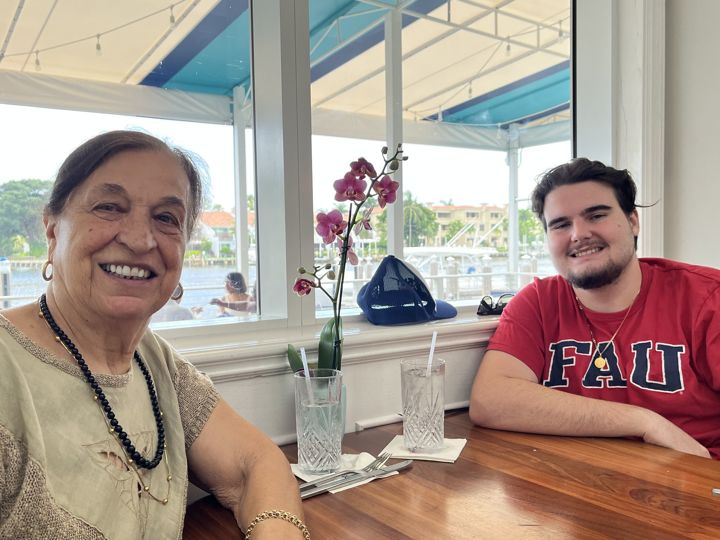
Mother, Nonna, orchid grower, cook, tailor and artisan — born in Belej on the island of Cres, Croatia. Written with love by her family, sharing the wisdom she gave us. Read her story →