Croatian Coastal Cooking: Flavors of Lošinj & Cres
 By Dorina Benvin & family·June 10, 2026·5 min read
Long before Nonna Do ever layered a lasagna in America, she was a girl in Belej, a small stone village on the island of Cres, within the Town of Mali Lošinj. The Cres–Lošinj archipelago sits in the Kvarner Gulf of the northern Adriatic, where silver-green olive groves run down to clear blue water and the hillsides smell of sage. That landscape is still in her cooking. When Mom drizzles olive oil over greens or tosses fish with garlic and parsley, she’s cooking the island way. Here’s a taste of the food of Lošinj and Cres, and the pantry that makes it.
The Island Table: Simple, Seasonal, Local
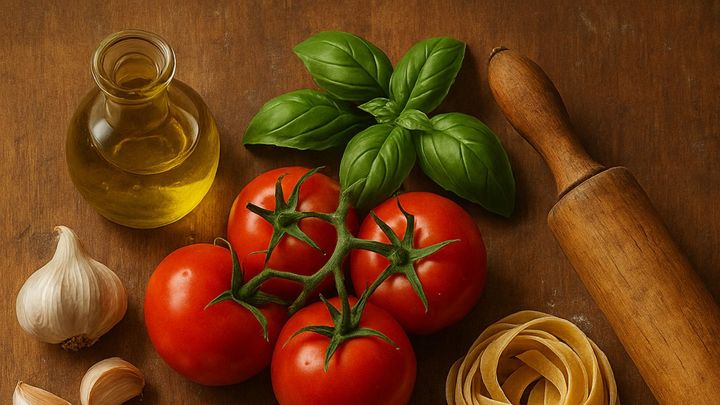
Kvarner island cooking is honest food. The islands have thin, rocky soil, a long coastline and centuries of making do with what the land and sea provide. The result is a cuisine built on a few excellent ingredients:
- Olive oil (maslinovo ulje). Olive trees have grown on Cres for centuries, and its extra-virgin olive oil now carries protected-origin status. On the islands, olive oil is used generously, raw and cooked.
- Fish and shellfish (riba i školjke). Whatever the boats bring in: sardines, mackerel, scorpionfish, sea bream, mussels, and the prized Kvarner scampi (škampi).
- Wild herbs. Sage (kadulja) blankets the island hillsides, along with rosemary (ružmarin), wild fennel and immortelle. Lošinj is famous for its aromatic plants, and the scent of herbs is part of every walk.
- Island lamb (janjetina). Cres lamb is known across Croatia. Sheep graze freely on stony pastures full of wild sage and other herbs, and many say you can taste it in the meat.
“Butter is good, olive oil is better.” — Nonna Do
Classic Dishes of the Northern Adriatic
Brudet (Fish Stew)
Brudet (also spelled brodet) is the coastal fisherman’s stew: several kinds of fish, onion, garlic, tomato, olive oil, wine and often a splash of vinegar, simmered gently. Cooks traditionally shake the pot rather than stir it, so the fish stays in whole pieces. It’s served with soft polenta (palenta) to catch the sauce. Nonna’s cookbook has its own cousin of this dish, a cioppino-style seafood stew, and her advice fits both perfectly: “Don’t overcook the seafood — delicate hands.”
Buzara (Shellfish in Wine and Garlic)
Na buzaru describes a way of cooking shellfish, most often mussels (dagnje) or scampi. The white version, na bijelo, uses olive oil, lots of garlic, parsley, white wine and a sprinkle of breadcrumbs to thicken the juices. The red version, na crveno, adds tomato. Either way, you need bread for the sauce, and you’ll eat with your hands.
Pašticada (Braised Beef)
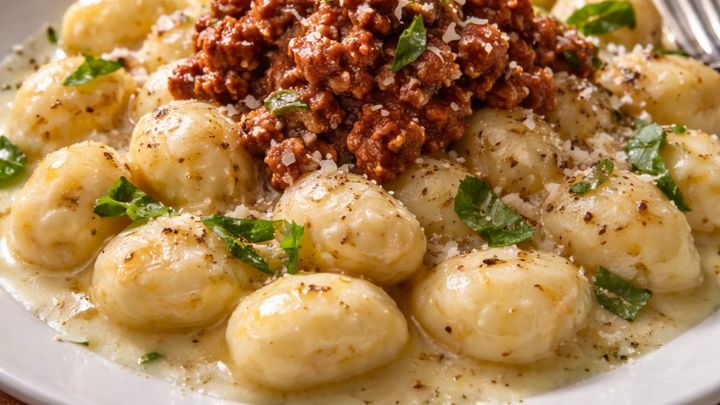
Strictly speaking, pašticada belongs to Dalmatia, farther south, but it is loved all along the coast. Beef is marinated in wine vinegar, studded with garlic and bacon, then braised for hours with root vegetables, dried plums and sweet wine until the sauce is dark and glossy. It’s a celebration dish, and it’s traditionally served with gnocchi, which Croatians call njoki. (See Nonna’s potato gnocchi for the perfect partner.)
Lamb with Herbs
Cres lamb is often roasted simply with rosemary, garlic and olive oil, or cooked under a peka, a bell-shaped iron lid covered with hot embers, alongside potatoes that soak up all the juices.
Fritule (Holiday Doughnuts)
Small, round, fried doughnuts scented with citrus zest and rum, studded with raisins and dusted with powdered sugar. They’re the taste of Christmas on the coast. We share the full recipe in Fritule, Kroštule & Holiday Sweets of the Adriatic.
Where Italy and Croatia Meet
For centuries, the Kvarner islands were under Venetian rule, and Italian and Croatian cultures have mixed here ever since. You can hear it in the kitchen vocabulary:
| Croatian (Kvarner) | Italian | What it is |
|---|---|---|
| njoki | gnocchi | Potato dumplings |
| fritule | frittelle | Small fried doughnuts |
| kroštule | crostoli | Crisp fried pastry ribbons |
| pršut | prosciutto | Dry-cured ham |
| manestra | minestra | Hearty vegetable and bean soup |
| palenta | polenta | Cornmeal porridge |
That shared heritage is exactly what you taste in Nonna Do’s cooking: an Italian lasagna one night, blitva and grilled fish the next, and nobody at the table thinks twice about it.
Recipe: Blitva (Swiss Chard and Potatoes)
Blitva is the quintessential Adriatic side dish, served next to grilled fish almost everywhere on the coast. It’s humble, healthy and absolutely delicious when made with good olive oil.
Ingredients
Serves 4
- 1 large bunch Swiss chard (about 1 lb)
- 1 lb potatoes (Yukon Gold work well), peeled and cut into 1-inch chunks
- 3–4 cloves garlic, thinly sliced or minced
- ⅓ cup extra-virgin olive oil, plus more to finish
- Sea salt and black pepper
- A squeeze of lemon (optional)
Method
- Prep the chard. Wash well. Strip the leaves from the stems. Chop the stems into ½-inch pieces and roughly chop the leaves.
- Cook the potatoes. Put the potatoes in a pot of cold salted water, bring to a boil, and simmer for 8 minutes.
- Add the chard. Add the chopped stems and cook 2 minutes, then add the leaves and cook 3–4 minutes more, until the potatoes are tender and the leaves are silky.
- Drain well. Let the vegetables steam dry in the colander for a minute.
- Warm the garlic. In the same pot, gently heat the olive oil with the garlic over low heat until fragrant and just barely golden. Don’t let it brown.
- Combine. Return the potatoes and chard to the pot and stir firmly, lightly crushing some of the potato so it blends with the oil and greens. Season generously with salt and pepper.
- Finish with another drizzle of olive oil and a squeeze of lemon if you like. Serve warm alongside fish, lamb or eggs.
Nonna’s Tip: Don’t be shy with the olive oil. In blitva, the oil is the sauce, so use the best bottle in your pantry.
A Croatian Pantry
To cook the island way at home, keep these on hand:
- Extra-virgin olive oil, the best you can afford
- Fresh garlic (češnjak) and flat-leaf parsley
- Dried sage, rosemary and bay leaves
- Canned or fresh tomatoes
- Dry white wine for cooking (and for the table)
- Red wine vinegar
- Coarse cornmeal for polenta
- Potatoes and Swiss chard
- Lemons and oranges, for zest and juice
- Dried figs and raisins
- Rum or brandy for holiday baking
- Pršut or prosciutto, and a hard sheep’s cheese such as paški sir for a simple merenda (snack)
Nonna’s Takeaway
The food of Lošinj and Cres proves that good cooking doesn’t need to be fancy. Fresh fish, green olive oil, a handful of wild herbs and time around the table are enough. The same is true in Mom’s kitchen in America: every dish carries a little of that island with it. If you dream of visiting, Visit Lošinj and Kvarner tourism are wonderful places to start planning. Dobar tek! (Enjoy your meal!)
Explore more: Nonna’s Lošinj, the family recipe collection, and Nonna’s pantry essentials.
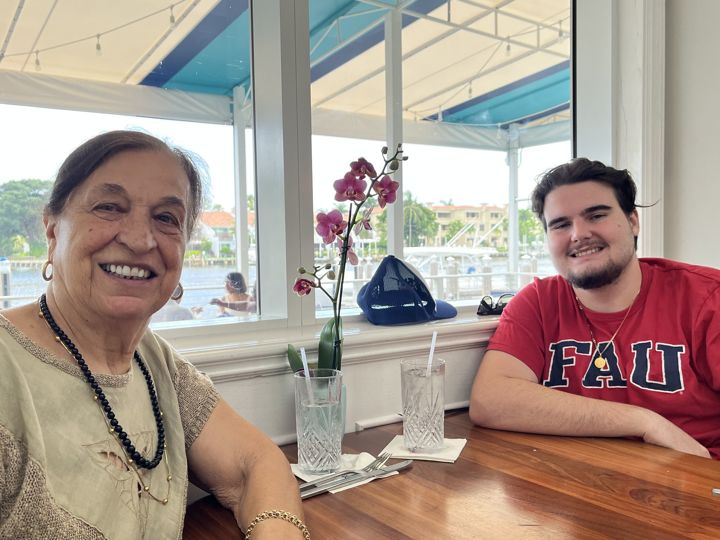
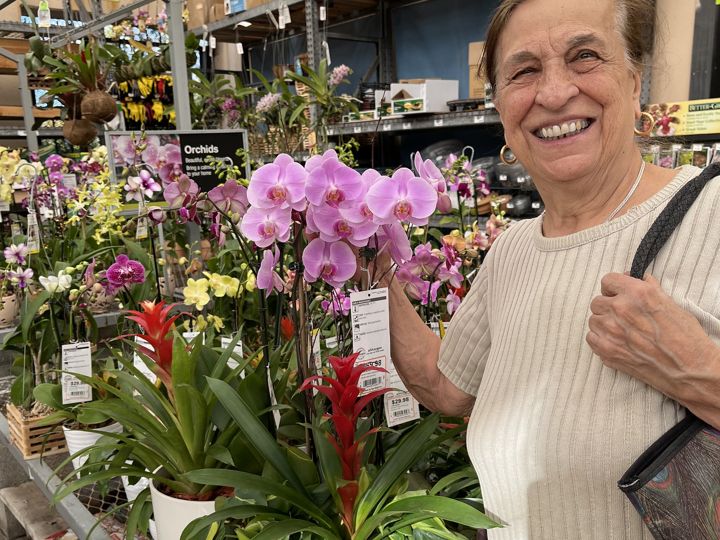
Mother, Nonna, orchid grower, cook, tailor and artisan — born in Belej on the island of Cres, Croatia. Written with love by her family, sharing the wisdom she gave us. Read her story →